
The Limit Does Not Exist
Where Lindsey Graham and Lindsay Lohan collide

When Senator Lindsey Graham died earlier this month, I felt surprised. Only because I wasn’t expecting to hear that particular news when I woke up on July 11. Like most people, I’ve been anticipating an announcement regarding the death of Mitch McConnell. (With that one, I’m like Britney Spears at the beginning of the “...Baby One More Time Video”).

So, surprise was my primary emotion. “Oh, wow. Damn. Graham? Crazy.” Did I celebrate? Okay, yes, maybe a little. I sent smug texts to friends. I felt myself breathing easier, just a bit, knowing the world had lost one of its more cancerous thugs. It’s true that I did not follow the career of the late South Carolina senator too intently, but it’s also true that he sought out the spotlight so frequently that he was easy to identify as objectively terrible. Throughout the duration of his life, particularly in his later years, he chose to make the lives of countless people harder and worse than they most assuredly already were. Women. Immigrants. Trans children and their families. Adults members of the LGBTQ community. I don’t believe he was stupid or ignorant—to the contrary, I think he understood perfectly well the scope of his damage and chose to keep doing the same shit anyway. For what individual motive or purpose, I couldn’t tell you. Power is the obvious culprit, but what power did he really hold? Fascist sycophant, chief bootlicker, captain of the yessir brigade. He was… a bitchy senator from South Carolina. I’m a bitchy claims adjuster from Texas. Yippee ki yay motherfuckers. I wish I could’ve slapped him with a lace glove and challenged him to a mean girls duel.
Several prominent Democrats posted public lamentations of Graham, and better people than me have given this cowardly submissive demonstration its proper slicing. (See: W. Kamau Bell’s excellent analysis). To my dismay, one of the people I caught eulogizing that hateful closet case was my own father. He’s been retired from professional practice for years, but my father was a career environmental attorney—he represented the Sierra Club in a lawsuit to prevent the construction of the Detroit incinerator (a lawsuit that listed Queen Elizabeth II as a defendant!) So, what was he doing writing so compassionately on his Facebook page about Lindsey Graham, the man who gets a lifetime 14% approval score from the League of Conservation Voters? (Not to mention a dismal 5% in 2025).
Unlike Graham’s death, my reaction to my father’s post felt completely inverse. I was upset, but not shocked. No, not in the least. The gesture is abhorrent, but really, this is so like my dad. In fact, I found out by asking a close friend to notify me if and when my father decided to write something insightful about Graham on Facebook. (I’m not Facebook friends with him, but many of my own friends are). A day later, she texted me, “Oh, here’s the eulogy you predicted.” I suppose it could have been worse. He closed by calling Graham a career political hack, which, to me, seems like the most painfully obvious conclusion to draw; it’s like saying, “you know, I’m starting to suspect Stephen Miller might be a racist.” Mostly, I was hurt and disappointed that he chose to say anything at all about it.
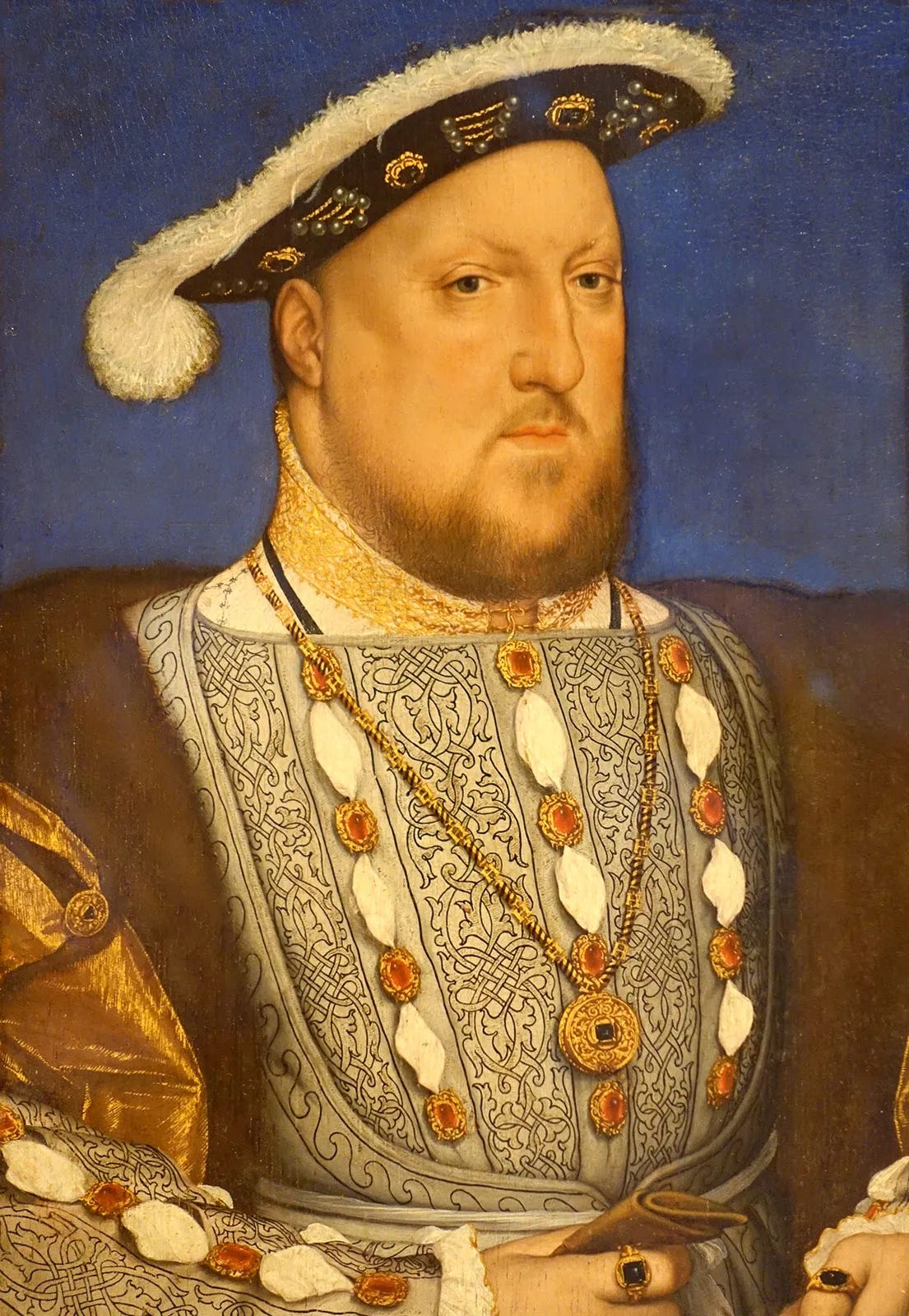
I’ve written about my family and my father in particular here a couple of times by now. We have not spoken since March 3rd, when I flew to Michigan to help my mother in a medical emergency, and left after I caught my father accidentally texting both me and her that he thought I was too fat, with my mother responding in enthusiastic agreement. He has made no attempt to get back in touch with me since then. When he “apologized” for body-shaming me, he said simply that he was sorry I had seen him texting his opinions of me, but actually, he stood by what he said. He stated that he does feel I should lose weight. My father has been overweight as long as I’ve known him—certainly since he sued the queen—and still is; being told by him that my body is unacceptable felt like Henry VIII ordering me to go on a diet.
Though they vote and volunteer with the Democrats, I wondered if perhaps my parents have more in common with their right-wing cohorts than they care to admit. All the way back in 2008, during those glorious days of Barack Obama’s first election and so many other progressive victories, my father decided to run for the state house in Michigan. The primary race was crowded, and his main opponent was a woman who had the financial backing of Michigan’s Democratic Party. Given the money, support, and resources that the state party was pouring into her campaign, her victory seemed all but assured. (Spoiler: she won in a landslide). Behind closed doors, my parents and some of their friends who worked on the campaign liked to cruelly mock Bridget, as I’ll call her, making fun of the way she talked and the way she dressed. One of my father’s friends was an immigrant from Ireland; my dad imitated him at home one evening, as my brother and I busily piled up campaign literature and mailers to send out. “Oh Bridget, god love her, god keep her, but she is so ugly!” His Irish accent was as embarrassing as his misogynistic joke.
Scenes such as these flicker through my mind while I consider the voice I want to have, both online and off. I am a stand-up comedian, and a writer, and a podcaster, too, or at the very least, a wannabe podcaster. All these things involve being out there, and promoting yourself. Heavily. Being a woman online has many obvious liabilities. Sometimes, I choose to engage with people who leave negative comments on my posts. Why, when the conventional wisdom is to ignore them? Because I feel the persistent need to stand up for myself. Oftentimes, I can look back on periods of my life and feel as though I existed in a bubble of plush meekness. I bend, I fold, I aim to please and appease. I am more like Gretchen Wieners when I really want to be Regina George. I say, “yes,” when the answer should be a decided, “no,” and sometimes I don’t even speak up at all
My father is a Queen Bee without even realizing it. On Facebook, he has built up a small but loyal cult of followers, who like and comment and squabble while he stands smirking over it all. He posts nearly every day—usually long, diatribe-y monologues that would fit better on, say, a Substack page. Despite his lengthy career in left-leaning politics, he has a number of friends who are MAGA-oriented, and the comments on my father’s posts can get quite heated. He doesn’t seem to have much of an interest in trying to build healthy, offline relationships with his two adult children, my younger brother and myself. These days, his dopamine hits live in data centers.
And so, back to Lindsey Graham. Like, okay, cool. He was nice to colleagues during travel, and he sometimes cracked jokes. He was a human being (I mean, I think he was?) I’m glad he showed humanity to some, and to those who cared for him, I mean, truly, I’m sorry that you lost someone you loved. And to those people that Graham worked to harm—to women, and Black people, and the unhoused, and trans children, and pregnant people desperately seeking abortion care, I have even greater sympathy for you. You deserved better than a power-seeking worm who passed policy after policy against your lives. You still do, now that he’s gone and someone’s been appointed to take his place.
“Calling somebody else fat won’t make you any skinnier. Calling someone stupid doesn’t make you any smarter. And ruining Regina George’s life definitely didn’t make me any happier. All you can do in life is try to solve the problem in front of you.” It won’t help you win elections, either. (At least, not in my dad’s case…). In that famous scene, when Cady has her epiphany and chooses kindness over cruelty, she does win. She realizes the answer to the question put before her at the Mathletes final: “The limit does not exist.” Of course, it’s a movie, and she’s the protagonist, so she has to win, but cliches aside, I keep thinking about that line. “The limit does not exist.” We are living in a boundary-less age, where seemingly anyone at any time and any place can access the thoughts, desires, and motives of complete strangers. If the limit on our ability to harm each other does not exist, then maybe the limit should be run over with a big yellow school bus.

I wish that Democratic leaders like Elizabeth Warren, Amy Klubachar, and Corey Booker had chosen to direct their public grief towards Graham’s victims, versus trying to humanize someone who never would have done the same thing for them. That would resemble something like, you know, “leading.”
Sigh. I’ll end with this: if you can, please donate to organizations that support people victimized by Lindsey Graham, like Planned Parenthood, The Trans Lifeline, The Trevor Project, and a plethora of others. Hell, donate in his memory. Especially to orgs that support LGBTQ folks.